1. Stop the spread
Doors are closed, vents covered and the work area is isolated so contamination stays where it started.
Camp Taylor, Louisville, KY · Jefferson County
Sewage backing up into a Camp Taylor home or business? Call (877) 812-4220 any hour to get a cleanup team that removes raw sewage, takes out soaked materials and disinfects the affected area.
If anyone is in danger, call 911 first. For a suicide crisis, call or text 988.
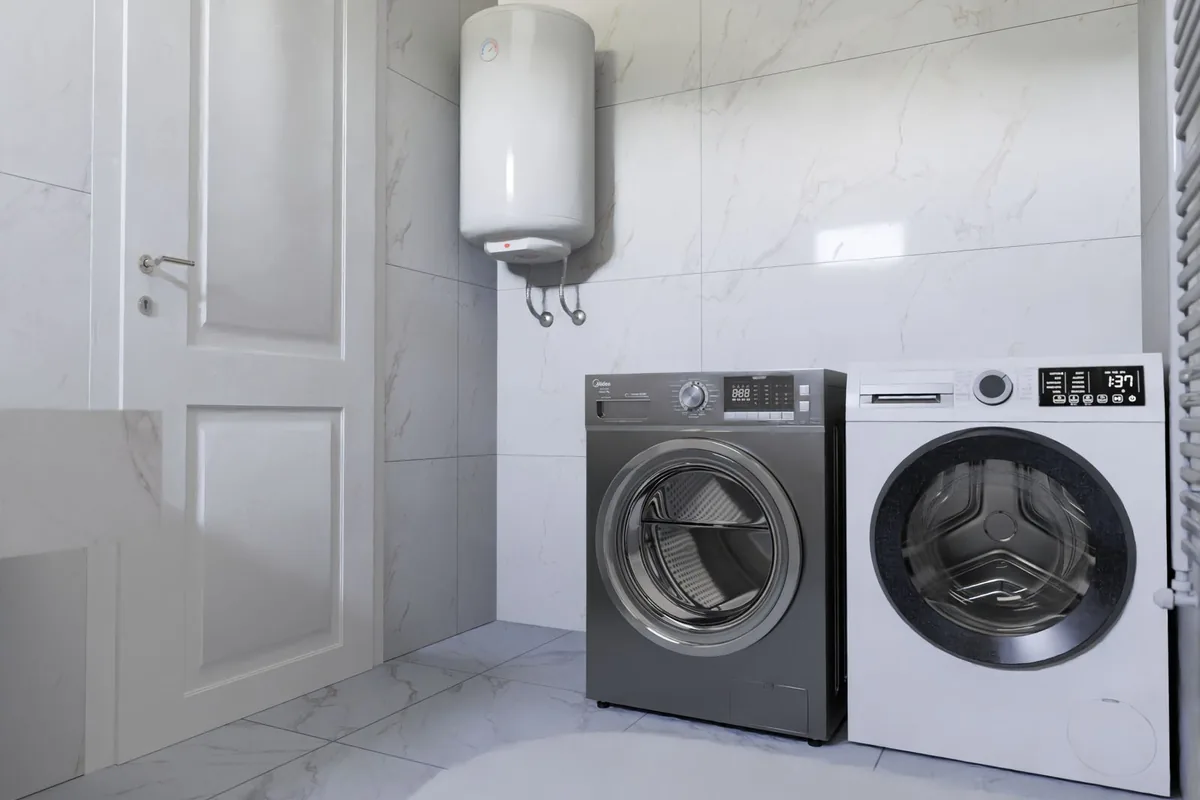
Raw sewage cleanup means pumping or scooping out wastewater from toilets, drains and sewer pipes, removing materials that absorbed it, and sanitizing what is left. It differs from ordinary cleaning because the liquid itself is the hazard.
For sewer backups in Camp Taylor, you need more than pumping out water. Call Camp Taylor Biohazard Cleanup Help and the crew pulls soaked flooring and drywall, treats framing and subfloor, and deals with the odor at its source in your Jefferson County property.
With roughly 53 inches of annual rainfall in Camp Taylor, saturated ground and storm runoff add pressure to sewer pipes, a common cause of basement and crawl space backups. Jefferson County carries a Relatively High river flood risk rating from FEMA, and rising water can overload sewer pipes and push wastewater back up through floor drains.
Sewage & Biohazard Cleanup in Camp Taylor usually includes:
Doors are closed, vents covered and the work area is isolated so contamination stays where it started.
Standing sewage is pumped or scooped out, and the contaminated area is mapped to see how far the liquid traveled.
Contaminated drywall, trim and flooring are removed to clean material, and waste is sealed for proper disposal.
Odor treatment finishes the job, and the owner receives documentation of the work for insurers or property managers.
Sewage & biohazard cleanup in Camp Taylor, Louisville, KY typically costs $1,500 to $10,000, depending on the size of the affected area and the materials involved.
Whether the area has finished surfaces or bare concrete affects the work. Sealed floors disinfect easily, while wood and unsealed masonry need more attention.
| Type of job | Typical range |
|---|---|
| Category 3 sewage | $2,500 - $10,000 |
| Published span | $1,500 - $8,000 |
| Typical project | $2,000 - $10,000 |
| Most homeowners | $2,000 - $10,000 |
Published ranges only (Bob Vila, Fixr, BioCleaners Directory, Biohazard cleanup company pricing guide); every sewage & biohazard cleanup job in Camp Taylor is priced after an on-site look. Price drivers include square footage affected, category of water, porous materials that must be removed, drying time. Questions? Call (877) 812-4220.
Yes. Raw sewage is Category 3 contamination and can carry bacteria, viruses and parasites. That is why cleanup crews wear protective gear and remove porous materials instead of just drying them.
Drywall is porous and holds contamination that can spread germs and odor long after the surface looks clean. Crews usually cut out wall board that sewage touched, and often take out a margin above the wet mark to reach clean material.
It depends on the cause, the lease and local law. A landlord's policy may cover the building, while a renter's policy may cover belongings. If the blockage was in a public sewer main, the city or utility may be responsible for the repair.
Keep everyone out of the area, including pets, and stop using sinks, tubs and toilets that feed the pipe. Turn off power to wet areas only if it is safe. Then call a cleanup team and your insurer, and take photos before anything is moved.
Yes. Commercial sewage cleanup in restaurants, offices, shops and apartment buildings follows the same biohazard steps, with added attention to keeping part of the building usable and to documentation for managers and insurers.
Sewage can carry germs such as E. coli, norovirus, hepatitis A and Giardia. They spread through skin contact, splashes and hand to mouth contact. Washing well and wearing protection reduce the risk, but removal by a crew reduces it most.
See all biohazard cleanup services in Camp Taylor, Louisville, KY →
Describe the backup and the team explains the next safe step.
Call (877) 812-4220